Recent research suggests that there may be a link between three common medical conditions and skin cancer. We delved into the research and spoke to the experts about whether you should be concerned — or not.


Recent research suggests that there may be a link between three common medical conditions and skin cancer. We delved into the research and spoke to the experts about whether you should be concerned — or not.
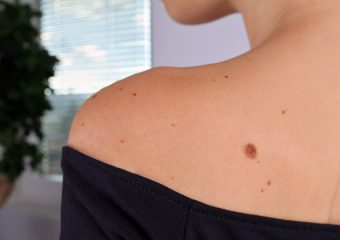
Moles can develop at any age. However, it is more common to develop moles as a child.
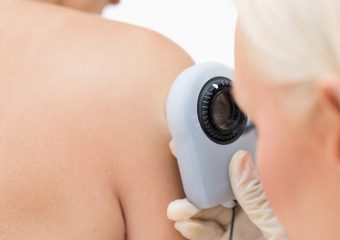
Both a precancer and an atypical mole may look unusual, but each has unique characteristics. An expert explains the differences.

Are you among the millions of people who take hydrochlorothiazide to treat high blood pressure? A recent study by researchers at the University of Southern Denmark showed a connection between this medication and squamous cell carcinoma (SCC), the second most common type of skin cancer.

Recent studies have suggested some surprising things (not beaming from the center of our solar system) that might increase your risk for skin cancer. We delved into the research to help you assess whether you should be concerned — or not.

The Skin Cancer Foundation’s Research Grants Program has given young physicians and investigators a special boost for studies that served as stepping stones to major lifesaving breakthroughs.

In the fight against skin cancer, men are way behind the women. What can we do to help those with the Y chromosome catch up?
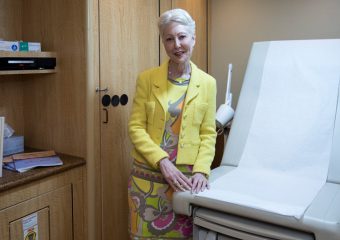
Knowledge is power. The skin is the largest organ, and it’s all out there where you can see it. So the more you learn about skin cancer and what to look for, the more you can do to help yourself.

Melanoma survivor Kelly Leggett was proactive about getting his skin checked, which ultimately saved his life.
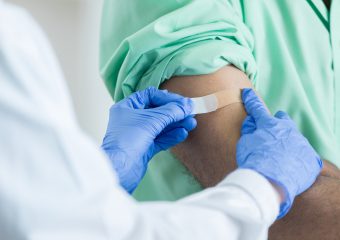
My dermatologist would like to biopsy a mole on my forearm. I know this involves removing some skin — should I be concerned about the pain?